
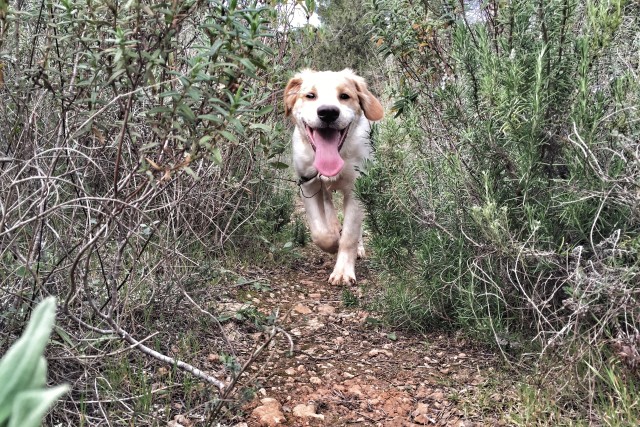
Pet Adoption & Rescue
Okay—let’s start with a story about Pet Adoption & Rescue. A couple of years ago in Patna, I met a young pup named “Momo”. She limped when she arrived at the shelter, wary of hands reaching in. But after a week of slow cuddles, short walks around the yard, and a bowl of warm dhal-rice I had brought in (yes, I tried human food once—don’t judge), she sat on my lap and gently laid her head on my arm. In that moment I thought: *this is why adoption matters*. And yet, the path to that cuddle session was messy, uncertain, and full of quirks.
The Big Picture: Why Rescue & Adopt?
The scale of the issue
Te statistics are startling: an estimated 69.3% of cats and dogs are homeless—about 60.5 million roaming the streets, and 8.8 million in shelters.
Meanwhile, pet ownership is rising: pet population was recorded at around 38.46 million in 2023 (up from 22.11 million in 2018) and projected to reach ~58.7 million by 2028.
Translation: there are more people wanting pets, and many animals still seriously need homes.
The benefits (for you *and* them)
Adopting a rescue animal isn’t just a “feel-good” thing (though that’s valid)—it carries concrete benefits:
- You’re giving an animal a second chance.
- You may save money: many rescue pets come vaccinated, neutered/spayed, micro-chipped.
- Your life can improve: better mental health, more exercise (especially with dogs), stronger community ties.
- By adopting you free up shelter space, support ethical practices (less demand for puppy-mills) and set an example.
Peculiar niche insight: Free-ranging dogs and what we learn
Studies show that when such dogs are rewarded with food or petting from unfamiliar humans, food gives immediate preference; but over repeated interactions, either petting or food can form a bond.
Why mention this? Because when you adopt a rescue dog that previously lived on or near the streets, you often need to rebuild trust, respect autonomy, and understand their history. It’s not simply “bring home and instant friendship”.
—
Story Time: My Experience with Momo → and the Lessons
First week: chaos, patience, and the little mis-step
When I first brought Momo home, I assumed she’d immediately adapt (big mistake). She refused to eat her pet-food bowl for two days, so I resorted to giving her bland rice & chicken. I felt guilty (why do I keep humanising things?), but the point is: sometimes we must meet *them* where they are.
Lesson 1: **Give a grace period**. Just like a person moving cities, a rescued pet needs time to settle. Random barking at night? Jumpiness? Normal.
Slow progress: trust builds in odd ways
By week three, Momo started following me to the kitchen, then lying down at my feet during TV time. The turning point? I let her choose when to sit on the sofa instead of commanding her—a tiny shift in autonomy.
Lesson 2: **Autonomy matters**. When you adopt, allow the pet to have choices (within your safe bounds). That sense of control helps healing.
Month two: integration—and recognising the quirks
One evening I found Momo sitting in the sun on our balcony—something she never did in the first month. And I realised: this dog discovered a comfort zone. And once you see it, you’ll start seeing small signs of trust everywhere (a tail wag when you return, a toy picked up).
Lesson 3: **Celebrate small wins**. Don’t only focus on big milestones (“sit”, “heel”, etc.)—trust-moments matter most.
—
Practical Guide: If You’re Considering Adoption
Before you start: ask some honest questions
- How much time do I realistically have every day (walks, grooming, training)?
- Is my home pet-friendly? Especially if you live in a rental or flat (in Patna, many landlords have breed/size restrictions).
- Am I willing to deal with unpredictability (rescue pets could have trauma or health issues)?
- Budget wise: vet bills, food, grooming, emergencies—are you prepared?
Choosing the right animal: not “just cute”
When visiting a shelter or rescue, observe behaviour (shy, active, fearful), ask about medical history, see how the shelter handles post-adoption support (some do follow-ups). One tip: opt for a pet that matches your energy level. A high-drive dog with a calm retiree may end up stressed (and you will too).
Homecoming: the first 30-90 days
Here are some steps that helped me with Momo—adapt them to your context:
- Set up a “safe zone” (quiet corner, bed, toys) for the pet to retreat to.
- Maintain regular feeding, walks, and sleep times (predictability builds security).
- Introduce household members slowly—not all guests at once.
- Use positive reinforcement (treats, praise) rather than punishment. If mistakes happen, stay calm—they’re learning.
- Observe “body language”: pacing, lip-licking, shaking could mean anxiety.
Commitment ahead: what many underestimate
Adopting is a long-term decision—10+ years common with dogs, 15+ years with cats. If your lifestyle may change (job transfer, child, rentals) you must think ahead. It’s not just “for now”.
Challenges, Myths & Realities
The myth: “Rescue pets are broken”
Yes—they *may* come with past trauma, health issues or training gaps. But that doesn’t make them defective. Think of it like adopting a child who faced early disruption: with love and support they flourish. In fact they often show extra gratitude and loyalty. I think Momo & Raja prove that.
The reality: requires patience
There will be bad days—accidents on the carpet, one-step-forward-two-steps-back training, veterinary bills. If you go in with the expectation of “perfect from day one”, you’ll get frustrated. Better: expect “imperfect progress”.
The challenge: stray overload and shelter capacity
Millions of stray animals mean shelters are under huge pressure. One report: only about 1 in 500 stray dogs/cats may get adopted in some contexts. So each adoption counts—but also the infrastructure behind the scenes matters (sterilisation, community education, rescue networks).
The spatial/urban challenge
In cities, flats and apartments dominate. Many rentals impose restrictions on pets. Outdoor access is limited. This means that adopting a high-energy breed might not suit an apartment dweller. Matching lifestyle to pet physiology & behaviour becomes critical.
—
What You Can Do Beyond Adopting
Even if you’re not ready to adopt, your involvement still helps:
- Volunteer at local shelters or rescue days—help with walking, feeding, cleaning.
- Foster: temporary care for animals awaiting adoption. This gives them temporary home exposure, reduces shelter stress.
- Donate: even small amounts help with food, vet bills, transport for rescues.
- Spread awareness: social media posts, community talks, school programs about animal welfare.
- Support sterilisation campaigns: reducing the stray population requires more than adoptions alone.
—
Final Thoughts: Embrace the Imperfect, Celebrate the Journey
Adoption & rescue—at its heart—is messy. It doesn’t follow a perfect storyboard. You’ll wonder at times “Did I pick the right one?” You’ll have days when everything flows, and others when you question the chaos of chewed shoes and midnight howls. But if you stay, if you adapt, if you shift your mindset from “owning a pet” to “sharing life with another being”, the rewards come.
And remember this: when you adopt, you’re not only changing the story of the pet you bring home—you’re sending a ripple into the system. One less animal waiting in the shelter, one less moment of loneliness or fear for that being. It’s small-but-big.
If I had to summarise my advice in one sentence: don’t aim for perfection—aim for compassion, patience, realistic match, and daily connection.
So if you’re at the edge of decision: visit a shelter this weekend. Talk to the animals. Feel their energy. See your reaction. See theirs. And then decide. It might just be one of the most meaningful relationships you ever develop.
Thanks for reading. If you’ve adopted a pet or rescued one, I’d love to hear your story—quirks, wins, mistakes and all.
